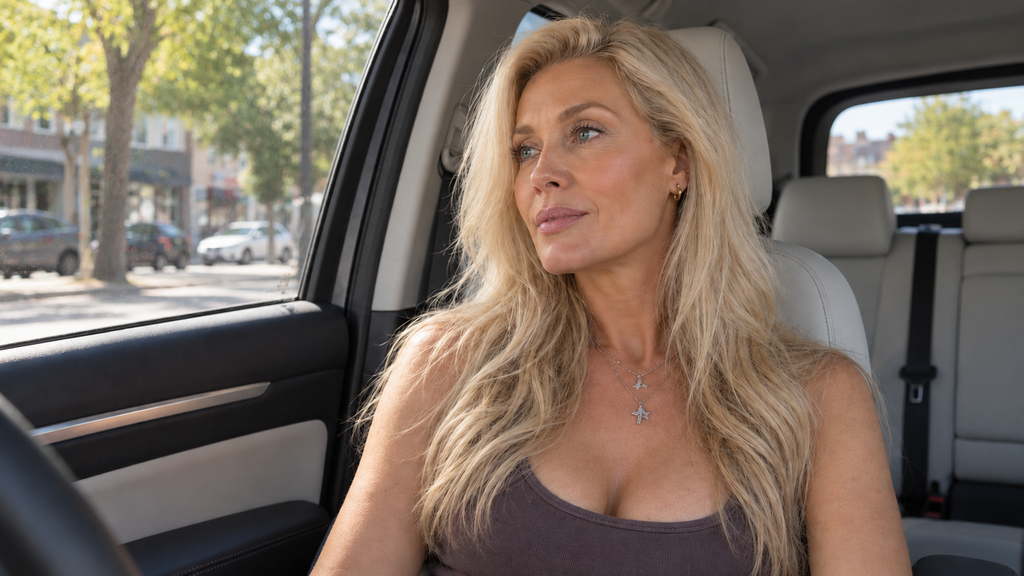
I remember sitting in my car outside my own birthday dinner, not wanting to go in. Fifty felt like a door closing. Like the version of me that mattered most was already behind me.
I was wrong. I just didn’t know it yet.
The Story I Told Myself
For most of my 40s, I carried this quiet belief that my best years were a countdown, not a runway. I thought fulfillment had a shelf life, and mine was almost up. I looked at younger women and felt a strange mix of envy and grief, like I was watching something I used to have.
Nobody tells you that this feeling has a name, and that it’s temporary for almost everyone who feels it.
What the Research Actually Shows
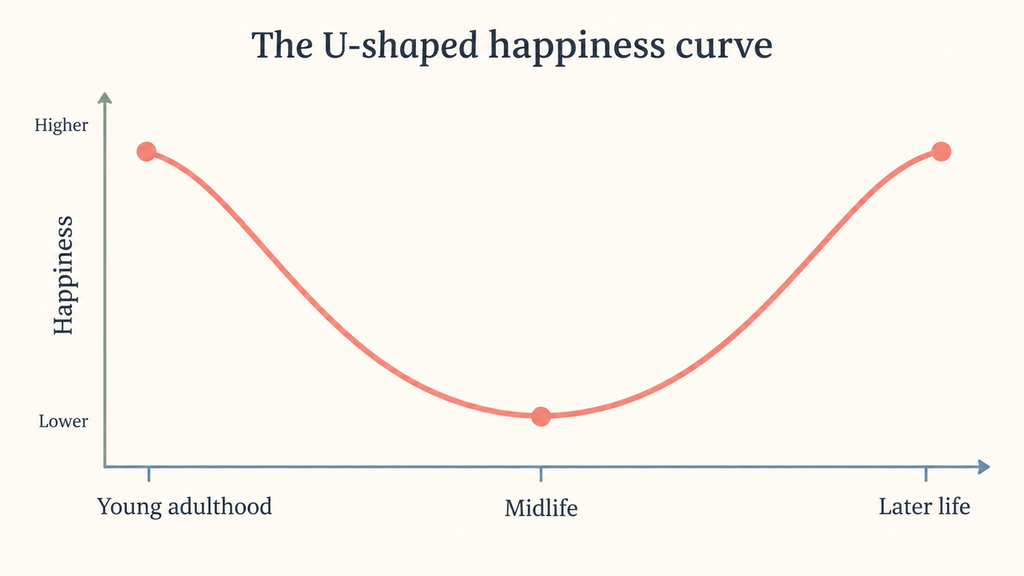
Here’s what surprised me when I started paying attention to the actual data instead of my own fear. Psychologists call it the “happiness U-curve.” Life satisfaction tends to dip in your 40s, then climbs steadily from your 50s onward, often peaking well into your 60s and 70s. Researchers have found this pattern across dozens of countries and cultures, not just one lucky group of people.
Women in particular report higher life satisfaction, more emotional stability, and fewer symptoms of anxiety after 50 than they did in their 30s and 40s. Not despite getting older. Because of it.
The reasons make sense once you sit with them. By 50, most women have stopped performing for other people’s approval. The pressure to prove something, to yourself or anyone else, starts to loosen. You know who you are. You know what you don’t have time for anymore.
What Actually Changed for Me
I didn’t wake up one day and feel different. It happened slower than that.
It started with small things. I stopped finishing sentences I didn’t mean, the polite ones I used to say just to keep the peace. I started saying no without the three paragraphs of explanation I used to think I owed people. I noticed I wasn’t scrolling through other women’s lives comparing myself anymore. I was just living mine.
Somewhere in there, I realized the door I thought had closed was actually the one I’d been standing in front of the whole time, just facing the wrong way.
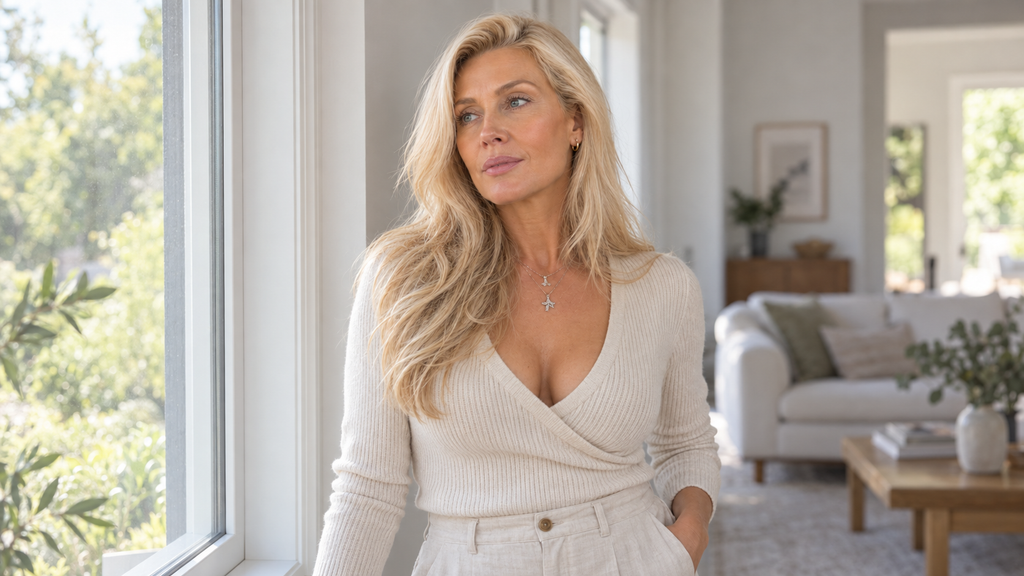
Fifty as a Beginning, Not an Ending
I’m not going to tell you nothing changes physically after 50. It does. But the story that 50 means less isn’t true, and the data backs that up as much as my own life does.
If you’re standing where I was, dreading a birthday or a mirror or a milestone, I want you to know something. The version of you that’s coming isn’t smaller. She’s just finally free of everything you spent your first 50 years carrying that was never actually yours to hold.
That’s not the end of the story. That’s where it actually starts.