
Retinol has more research behind it than almost any other anti-aging ingredient. It also has a reputation for red, flaky, peeling skin. Both things are true, and the difference usually comes down to how you start.
If you have fair, mature skin, here’s how to add retinol without wrecking your face in the process.

Why Retinol Actually Works
Retinol speeds up cell turnover and boosts collagen production, two things that slow down naturally after 50. That’s why it’s one of the few ingredients dermatologists agree actually does something: fewer fine lines, more even tone, better texture over time.
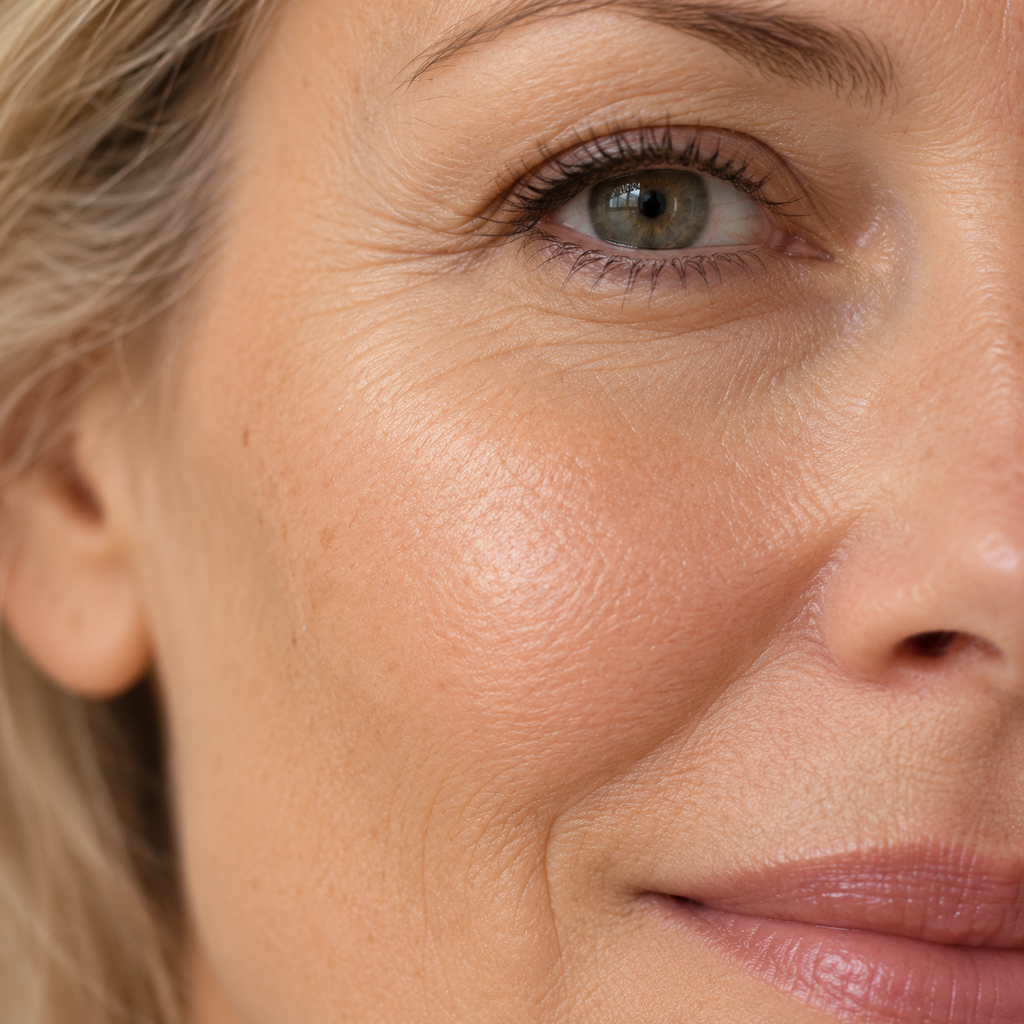
The catch is that it works by causing a small amount of controlled irritation. That’s normal. The mistake most people make is going in too strong, too fast, which turns “a little irritation” into a full week of peeling skin.
What Percentage to Start With
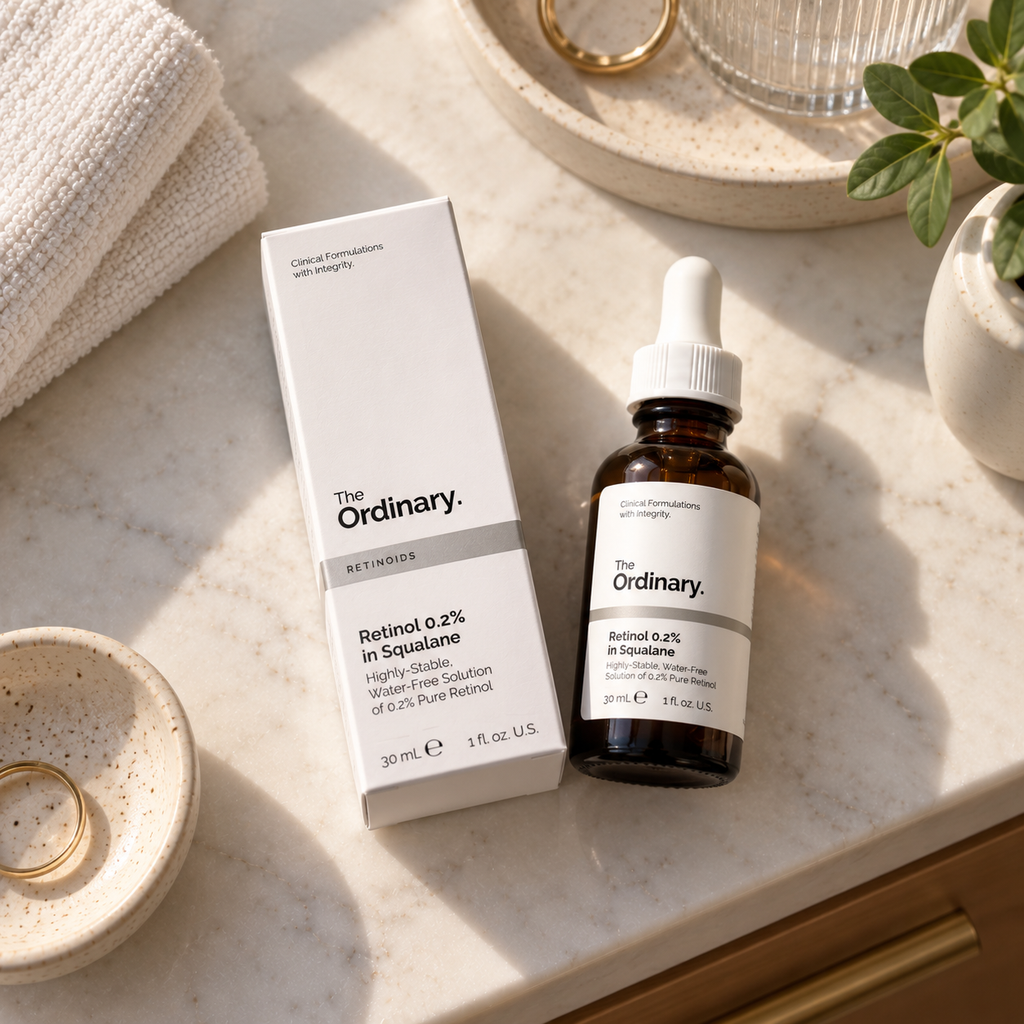
Start at 0.25% or 0.3%. Not 1%. Not the “extra strength” version at the drugstore, no matter how tempting it looks.
Fair skin tends to react more visibly to actives like retinol, so a slow start matters even more than it does for other skin tones. You can always go up in strength later. You can’t undo a week of burned, peeling skin.
When to Use It

Retinol goes on at night, never in the morning. Sunlight breaks it down and makes your skin more sensitive to UV damage while you’re using it, so night application plus daily SPF is non-negotiable.
Start with two nights a week. Not every night. Give your skin a full week to see how it reacts before adding a third night. Most people can work up to every other night within a month, and nightly use within two to three months, if their skin tolerates it.
How to Layer It Correctly
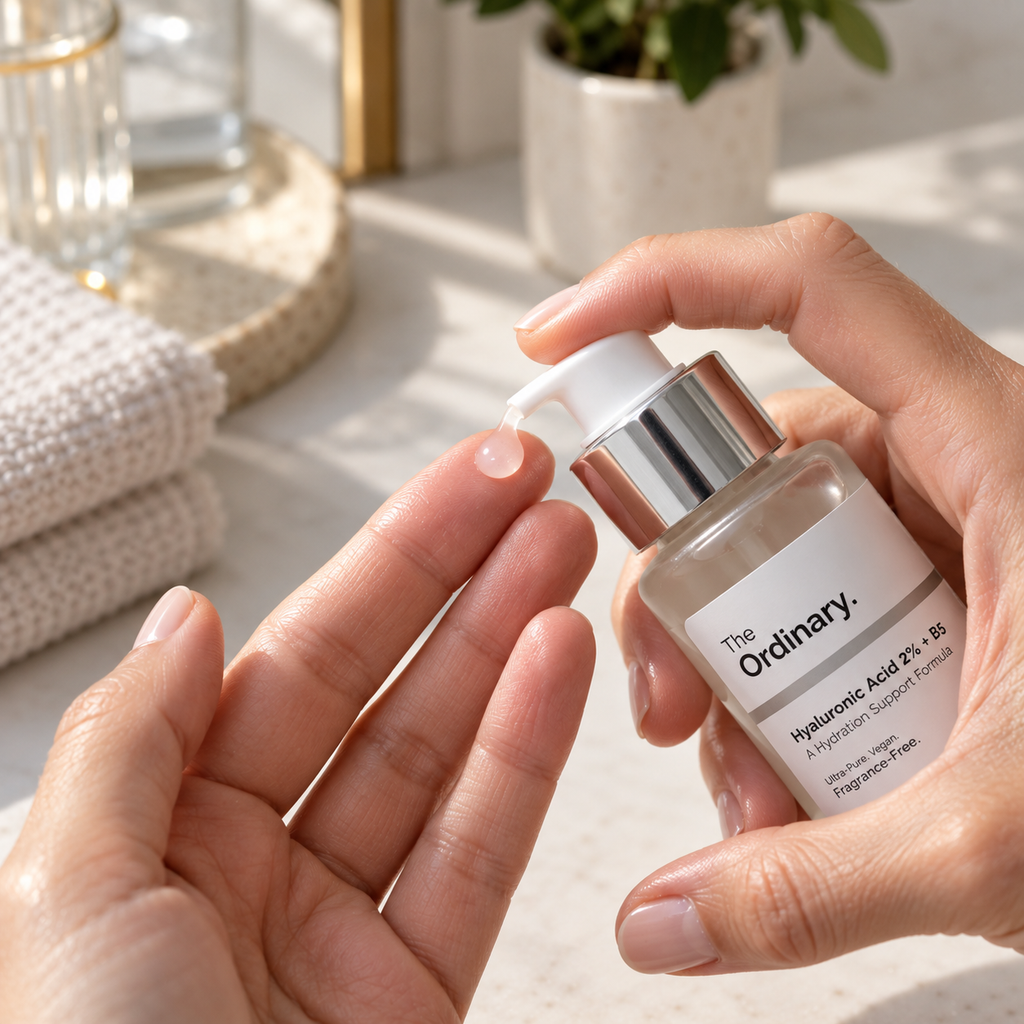
Order matters more than people think.
Cleanse first. Let your skin dry completely, not just pat dry, fully dry. Applying retinol to damp skin increases absorption too fast and raises your chance of irritation.
Apply a pea-sized amount for your whole face. More product does not mean better results, it just means more irritation.
Wait a few minutes, then follow with a moisturizer. This is called “buffering,” and it’s the single best trick for reducing redness and flaking while you build tolerance.
Skip vitamin C on the same night. Using both together can cancel out the benefits and stack irritation. Save vitamin C for mornings, retinol for nights.
Common Mistakes to Avoid
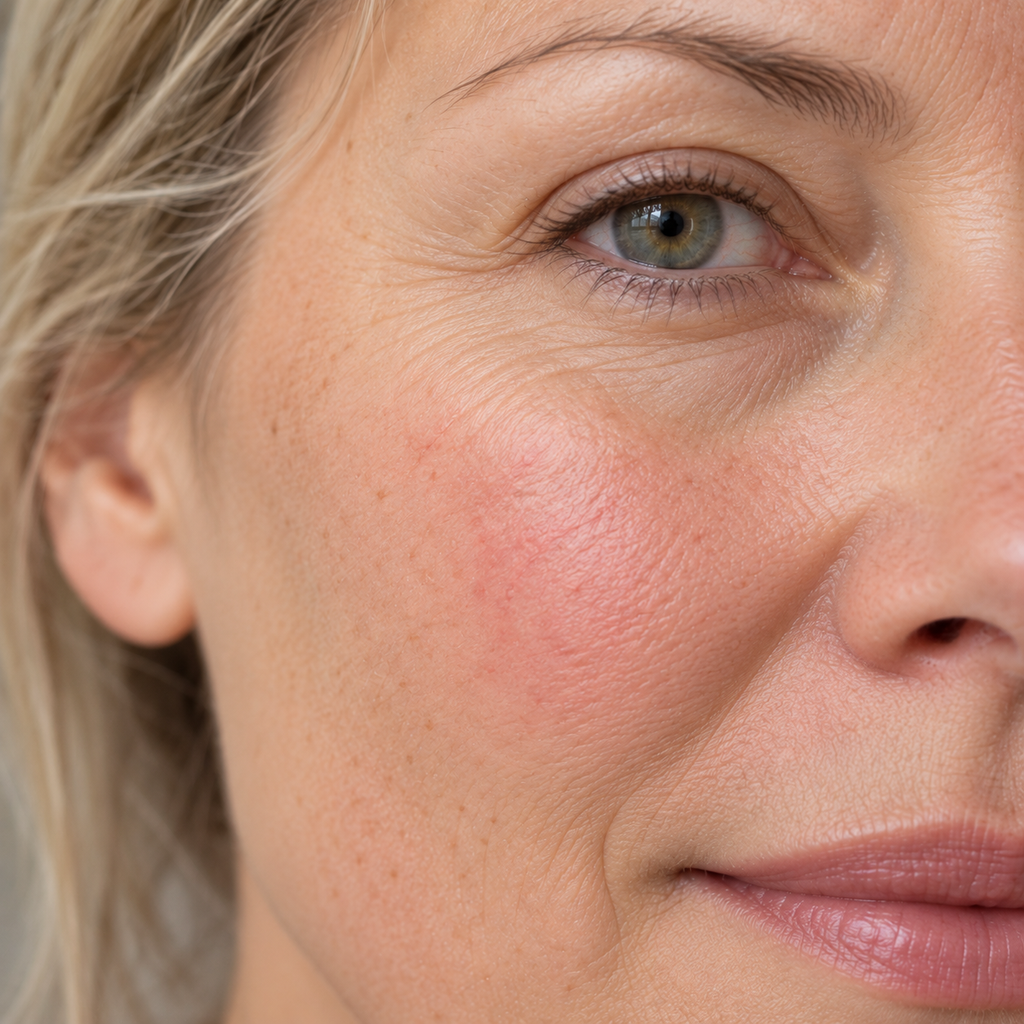
Starting every night right away is the number one reason people quit retinol before it starts working. Slow and steady beats fast and frustrated.
Skipping moisturizer makes irritation worse, not better. Buffering isn’t optional for beginners.
Skipping sunscreen the next morning is the mistake with the biggest long-term cost. Retinol makes your skin more sun-sensitive, and unprotected sun exposure on top of that can undo the progress you’re making.
Expecting fast results leads people to give up too early. Retinol takes eight to twelve weeks to show visible change. That’s slower than most people want, but it’s also why the results tend to last.
Support the Process From the Inside Too
Retinol speeds up how fast your skin renews itself, but that renewal still depends on your cells having the energy to do the work. That energy comes largely from NAD+, a molecule that declines with age and slows down repair at a cellular level.
Some women pair a retinol routine with something that supports NAD+ from the inside, like an NMN supplement with resveratrol and antioxidants. It won’t replace what retinol does on the surface, but it addresses a part of the aging process that topical products can’t reach on their own.
Start slow, stay consistent, protect your skin from the sun the next day, and give it time. That’s the whole formula.