

Skincare aisles are full of ingredients promising miracles. Most don’t have much research behind them. A handful do. Here’s what actually holds up, what each one does, and how to layer them without canceling each other out.
Vitamin C: Brightening and Protection
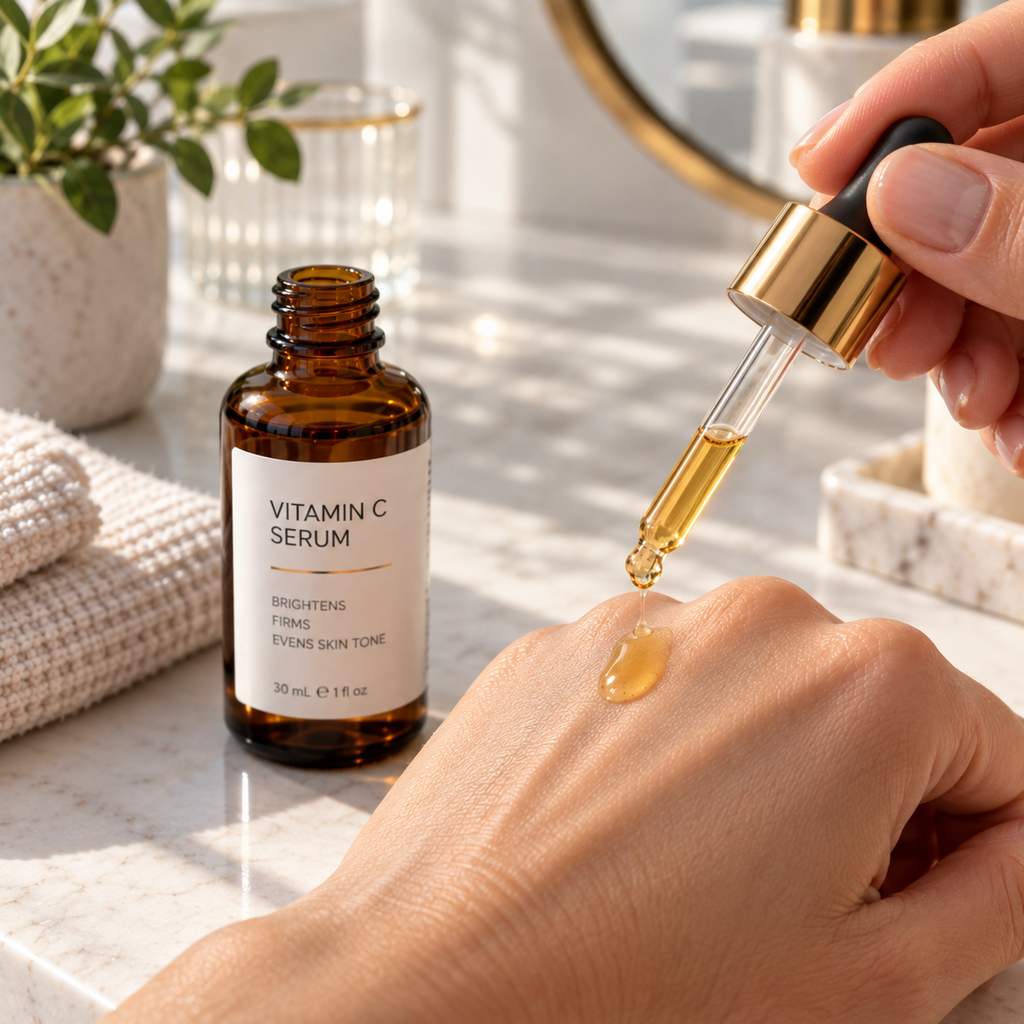
Vitamin C is an antioxidant. It fights the free radical damage that comes from sun exposure and pollution, the kind of damage that speeds up fine lines and dark spots.
It also plays a direct role in collagen production, which matters more after 50 since your body makes less collagen on its own each year. And it fades existing dark spots by slowing down excess pigment production.
Use it in the morning, after cleansing, before moisturizer and SPF. Look for a concentration between 10% and 20%. Higher isn’t always better, it just raises your chance of irritation.
Niacinamide: The Calm-Everything-Down Ingredient

Niacinamide, also called vitamin B3, does something most actives don’t: it works on almost every skin concern at once without much risk of irritation.
It strengthens your skin barrier, which matters a lot after 50 since that barrier weakens with age and lets moisture escape faster. It also calms redness, minimizes the look of pores, and evens out tone over time.
It’s gentle enough to use morning and night, and it layers well with almost everything else on this list. If you only add one new ingredient this year, niacinamide is the safest place to start.
Peptides: Signals for Collagen Production
Peptides are small chains of amino acids that send a signal to your skin telling it to produce more collagen. Think of them as a message, not a raw material.
This matters specifically after 50 because your skin’s natural collagen production has already slowed significantly. Peptides won’t replace what’s been lost, but they can help slow the rate of future loss and improve firmness over several months of consistent use.
They’re gentle enough for both morning and night use, and they layer well under moisturizer.

How to Layer Them Without Canceling Each Other Out
Order matters, and one common mistake undoes a lot of the benefit.
In the morning: cleanser, vitamin C serum, moisturizer, SPF. Vitamin C works best on clean skin and needs to sit before you add anything heavier on top.
At night: cleanser, niacinamide or peptide serum, moisturizer. You can alternate niacinamide and peptides on different nights, or use products that combine both if your skin tolerates it well.
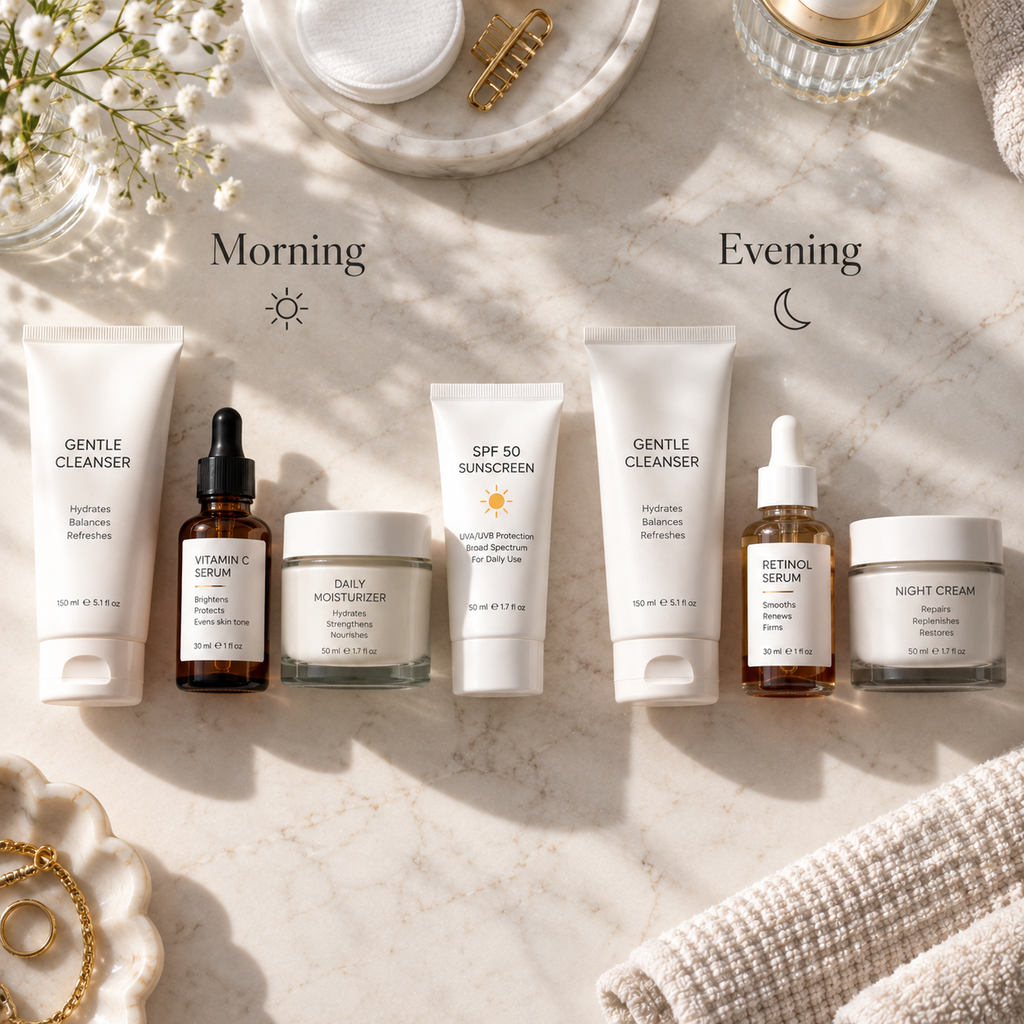
Skip vitamin C and niacinamide together in the same layer if you can. They’re not dangerous together, but very high concentrations of each can reduce how well the other works. Using vitamin C in the morning and niacinamide at night sidesteps the issue entirely.
What These Ingredients Can’t Do
All three of these work on the surface and in the upper layers of skin. None of them touch the deeper issue: slower cellular repair, driven by declining NAD+ levels that come with age.
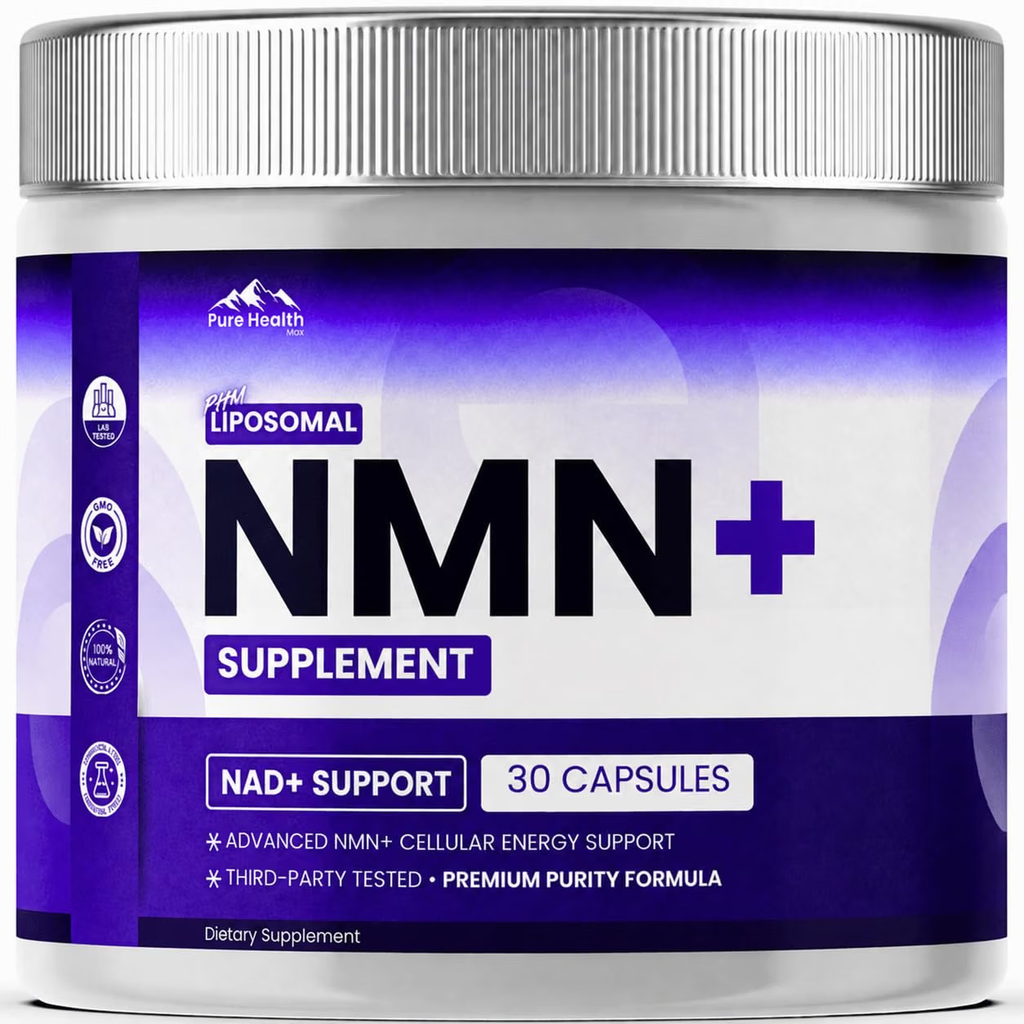
That’s a separate piece of the puzzle, and it’s why some women pair a solid topical routine with something that supports cellular repair from within, like an NMN supplement with resveratrol and antioxidants. The serums handle what’s visible. Supporting your cells addresses what’s driving the visible part in the first place.
The Bottom Line
You don’t need fifteen products. Vitamin C in the morning, niacinamide or peptides at night, consistent SPF every day. Give it eight to twelve weeks before judging results, since that’s how long visible skin changes typically take to show up.