You’re using the same products. Maybe even more of them. But your skin still looks tired, flat, and gray instead of bright. That’s not in your head, and it’s not really about your skincare routine either.
Dullness after 50 comes from three things happening under the surface. Here’s what they are and why they matter.

1. Your Skin Is Chronically Dehydrated
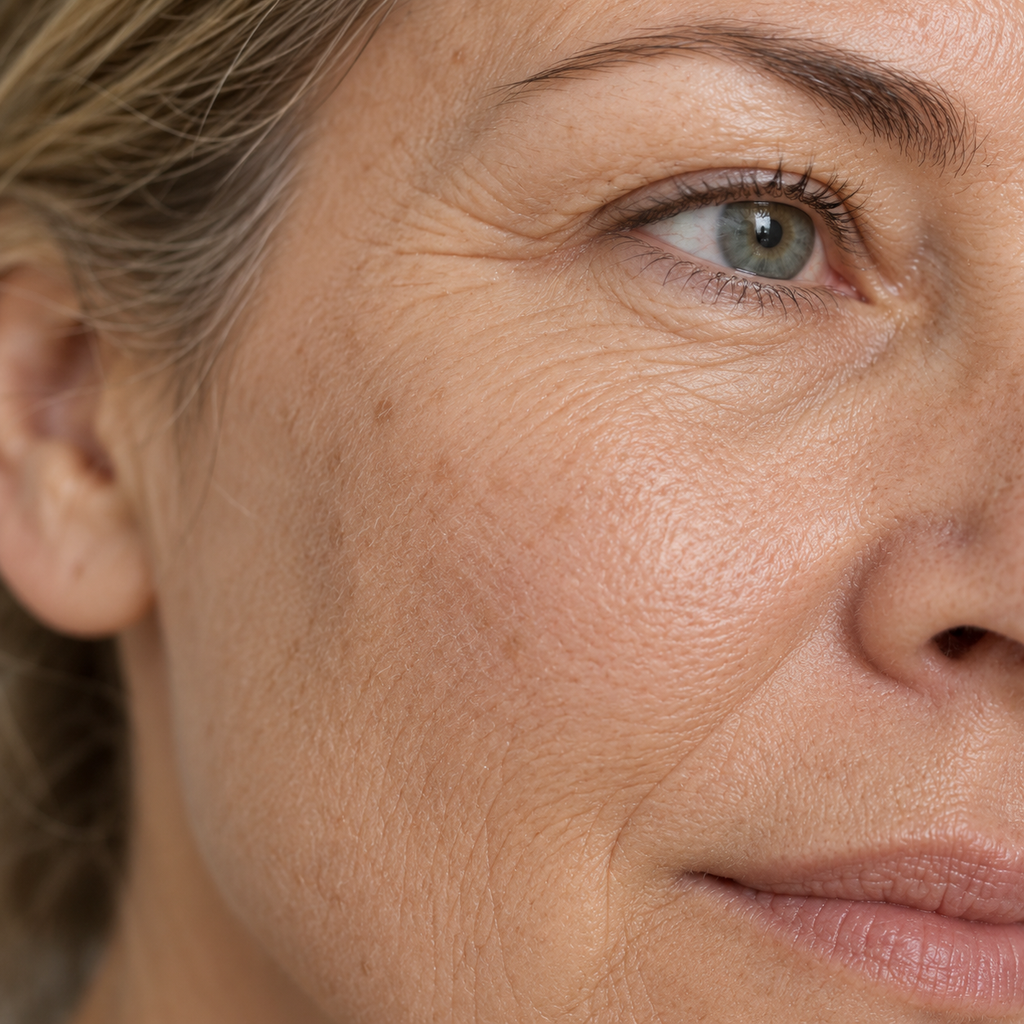
Not just “dry.” Dehydrated.
Dry skin lacks oil. Dehydrated skin lacks water, and that’s the real culprit behind the gray, flat look most women notice in their 50s. Skin cells need water to reflect light evenly. When they’re low on water, light scatters instead of bouncing back, and that’s what reads as dullness in the mirror.
Estrogen helps your skin hold onto water. When estrogen drops during and after menopause, your skin’s ability to retain moisture drops with it. So even if you’re drinking enough water and moisturizing daily, your skin is losing hydration faster than it used to.
2. Your Cells Are Repairing Themselves Slower
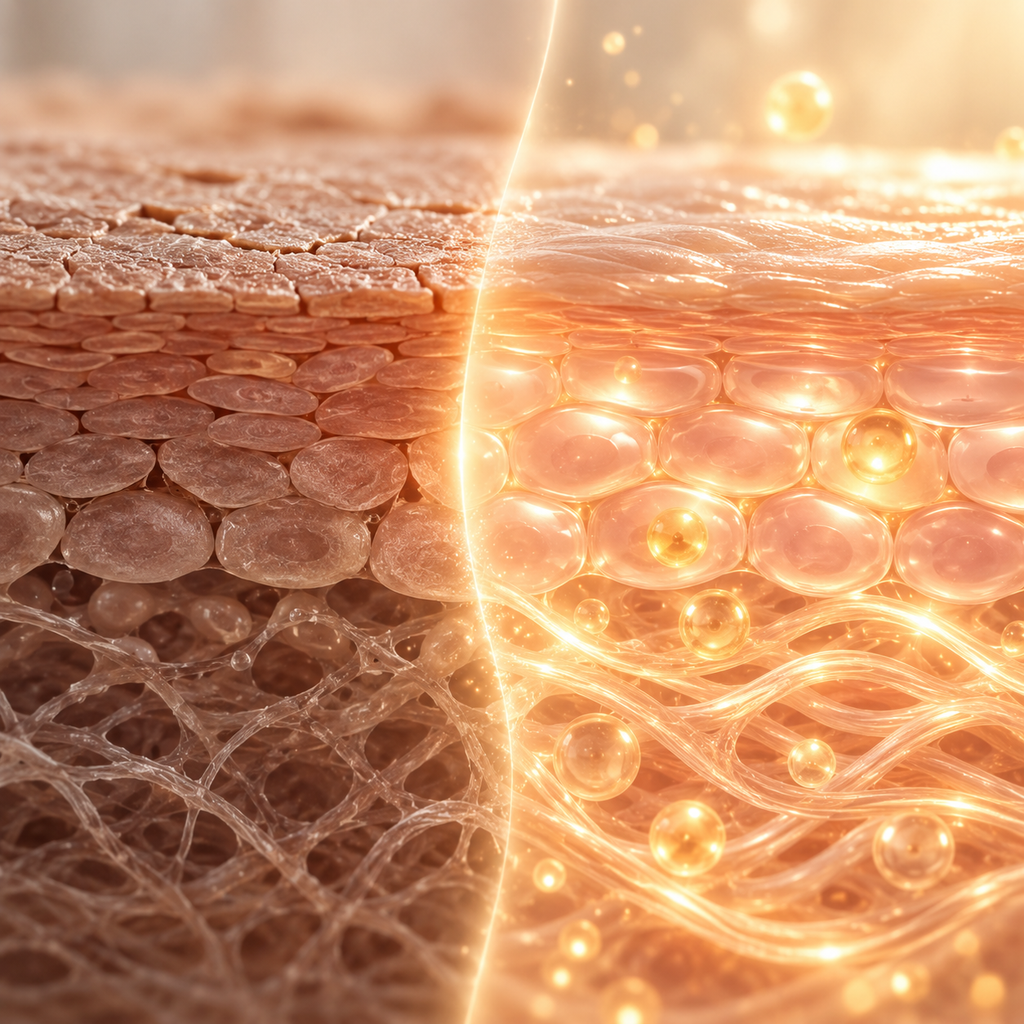
Skin renews itself by shedding old cells and replacing them with new ones. In your 20s, that cycle takes about 28 days. By your 50s, it can stretch to 45 days or longer.
The reason comes down to a molecule called NAD+. Your cells use NAD+ to produce energy and repair damage, including the daily damage that leads to new, fresh skin cells. NAD+ levels drop by roughly half between age 20 and age 50. Less NAD+ means slower repair, which means old, dull cells sit on the surface longer instead of getting replaced.
This is the part most skincare ads skip. You can exfoliate all you want, but if your cells don’t have the energy to rebuild fast, you’re just clearing away dead skin without fixing what’s underneath.
3. Low-Grade Inflammation Is Working Against You Nonstop
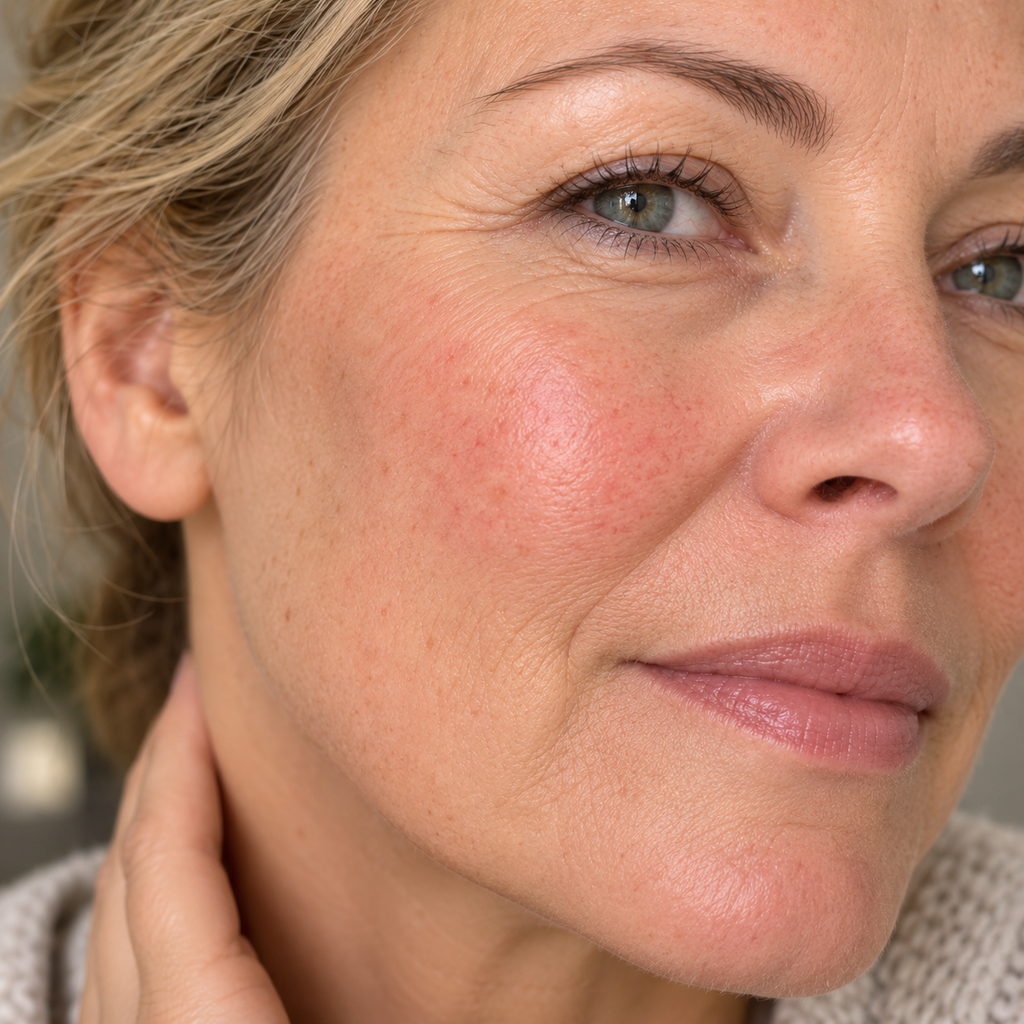
This one is quiet. You won’t see redness or swelling. But it’s there.
Researchers call it “inflammaging,” a slow-burning inflammation that increases with age and breaks down collagen, dulls skin tone, and slows healing. It’s driven by years of sun exposure, stress, poor sleep, and the natural aging process itself. Unlike an injury, it doesn’t heal. It just sits in the background, wearing your skin down day after day.
Combined with slower cell turnover and dehydration, this is why your skin can look tired even after a full night’s sleep.
So What Actually Helps
Good skincare still matters. Cleansing, hydrating serums, and daily SPF protect your skin from more damage. But none of those steps fix cell repair speed or address what’s happening below the surface.
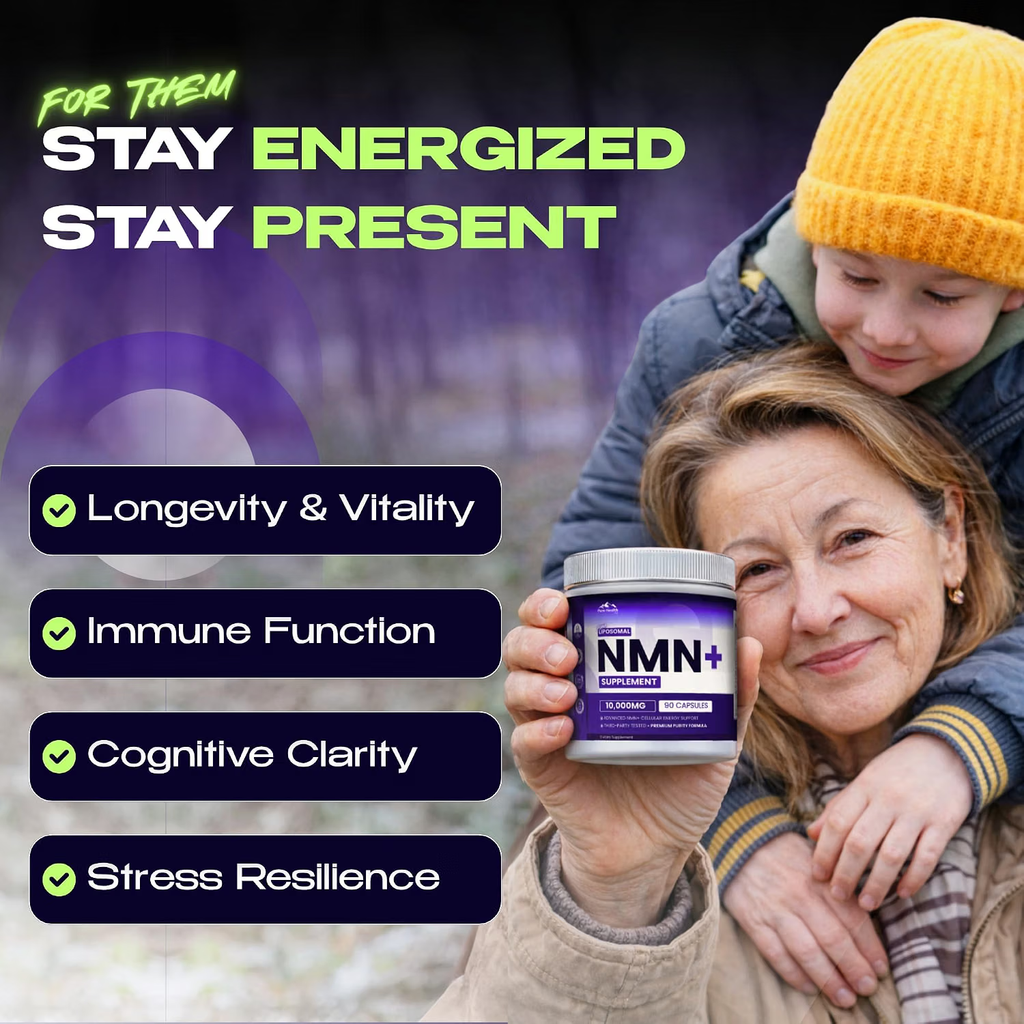
That’s where NAD+ becomes worth understanding. Since it’s the fuel your cells use to repair and renew, some women look at ways to support NAD+ levels from the inside, not just the outside. One option some people use is an NMN supplement, often paired with resveratrol and antioxidants like French maritime pine bark extract, to support the cellular energy systems tied to NAD+ production.
It’s not a fix for dullness on its own. But it points at something most skincare routines never touch: the repair process happening inside your cells, not just the surface you can see.