
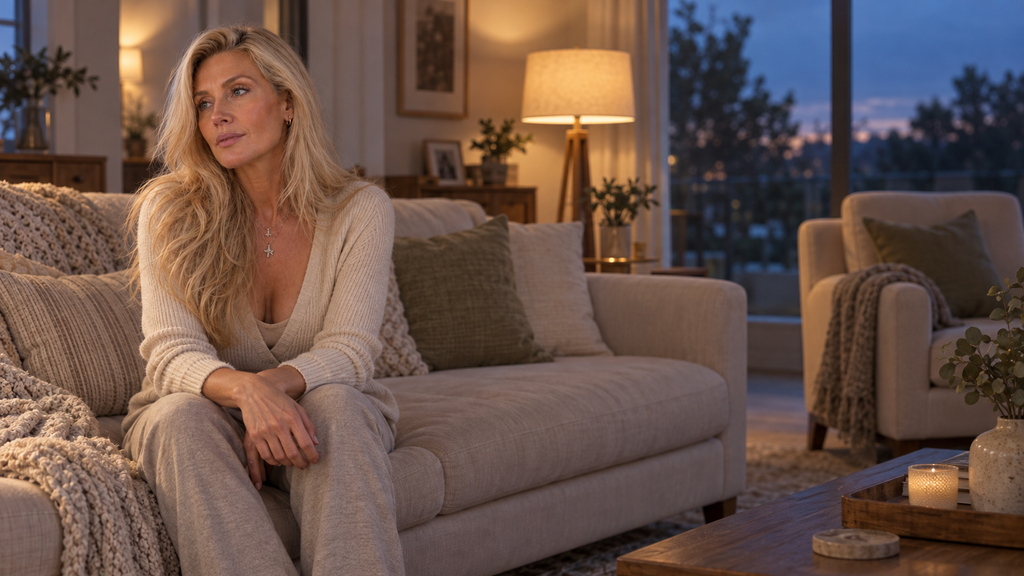
There’s a specific kind of lonely that hits after 45 that nobody prepared me for. Not the loneliness of being alone in a room. The loneliness of being surrounded by your whole life and still feeling unseen in it.
I want to name it, because I spent years thinking something was wrong with me for feeling it.
The Loneliness Nobody Warns You About
After my divorce, I expected to miss my husband. What I didn’t expect was how much I’d miss having anyone who really knew me. Friendships that used to feel effortless in my 30s had quietly thinned out over the years, the way they do when everyone gets busy with marriages and kids and careers and nobody notices the gap until it’s wide.
I’d go entire weeks without a real conversation. Not small talk at the grocery store. A real one, where someone asked how I was and actually waited for the answer.
I felt embarrassed about it for a long time. Like admitting I was lonely meant admitting I’d failed at something. I want to say clearly: it doesn’t mean that. Loneliness in midlife isn’t a personal failure. It’s shockingly common, and it’s mostly about circumstance, not character.
Why It Hits So Hard After Divorce Specifically
A marriage, even a struggling one, keeps a certain kind of social structure in place. Couple friends. Family gatherings you got invited to as a pair. A person who, at minimum, knew what kind of day you’d had.
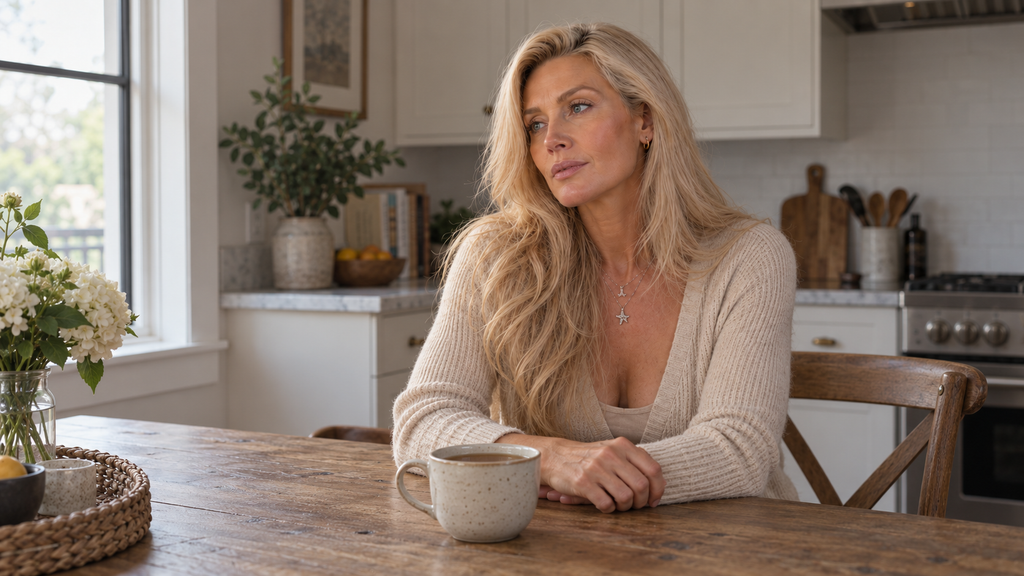
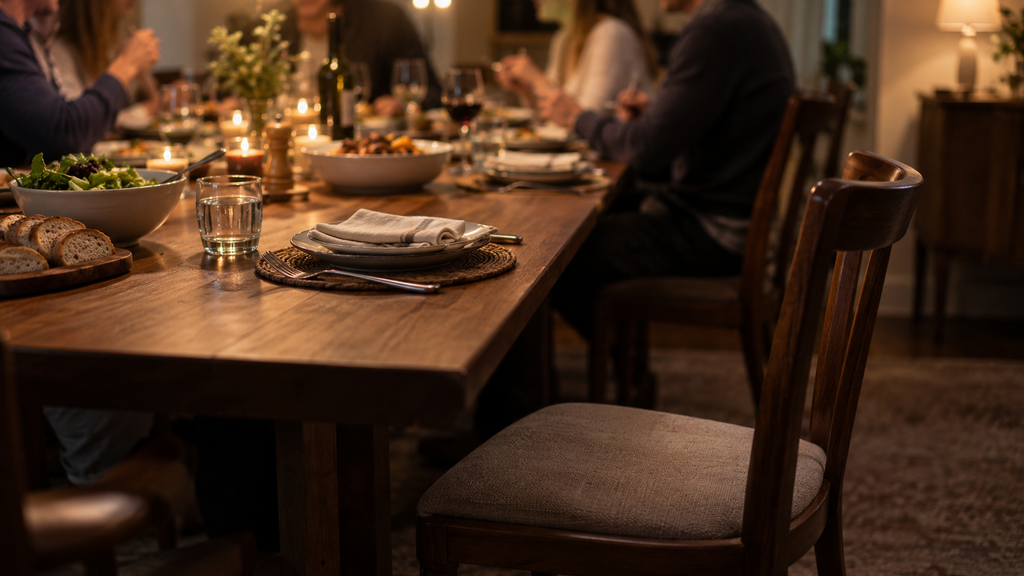
When that structure disappears, it takes a lot of invisible scaffolding down with it. I didn’t just lose a husband. I lost the seat at tables I used to be automatically included at. Some friends quietly sided with him. Others just didn’t know how to include a suddenly single woman in their couple-centered lives, so they stopped trying, and so did I.
Nobody tells you that divorce doesn’t just end a marriage. It can quietly end a whole social world at the same time.
What Actually Helped Me
I’m not going to pretend one thing fixed it overnight. But a few specific things made a real difference, and I wish someone had told me about them sooner.
I stopped waiting to be invited. For a long time, I waited for people to reach out first, and when they didn’t, I took it as proof I wasn’t wanted. Eventually I started reaching out myself, texting first, suggesting the coffee date instead of waiting for one. Most people said yes. They just weren’t thinking of it either.
I joined something with a repeating schedule. A weekly walking group, then later a book club. The repetition mattered more than the activity itself. Friendship needs consistency to grow, not one great conversation every few months.
I let old friendships go without guilt. Some people were connected to my marriage more than to me. Trying to force those friendships to survive the divorce just kept me tethered to a version of my life that was already over.
I got specific about what I needed. I stopped saying “let’s catch up sometime” and started saying “are you free Thursday.” Vague plans rarely happen. Specific ones do.
I let myself need people again. For a while I convinced myself I had to be fully independent before I deserved connection. That’s backwards. Needing people isn’t weakness. It’s just being human, and pretending otherwise kept me isolated longer than I needed to be.
You’re Not the Only One
If you’re in that quiet, specific loneliness right now, the kind that’s hard to explain to people who haven’t felt it, I want you to know it’s more common than it looks from the outside. Almost every woman I’ve talked to about this admits, eventually, that she’s felt it too.
You’re not behind. You’re not broken. You’re just in the part of the story where the scaffolding came down, and you’re about to build something sturdier in its place.