
Here’s the number that changes everything: about 90% of visible skin aging comes from the sun, not from time itself. Wrinkles, sagging, dark spots, that leathery texture, most of it is sun damage, not age.
That’s good news. It means a lot of what looks like “getting older” is actually something you can slow down starting today, no matter how much sun exposure came before.
It’s Never Too Late to Start

If you spent decades tanning without protection, you might think the damage is done and SPF now won’t do much. That’s not true.
Skin repairs itself continuously, even after 50. Every day you wear sunscreen is a day you’re not adding new damage on top of the old. Studies on sunscreen users consistently show visible improvement in skin tone and texture within months of starting daily use, at any age. Starting today is not too late. It’s just starting.
Not All SPF Is the Same
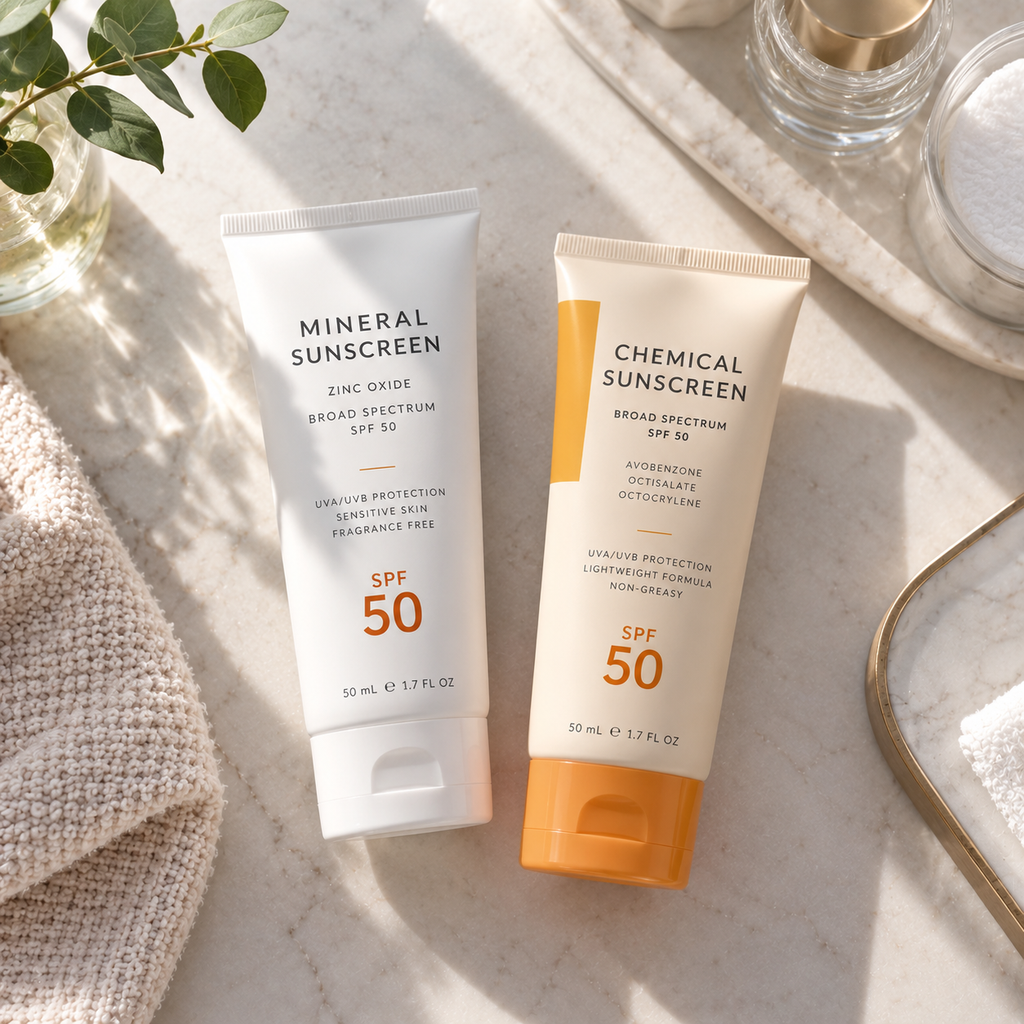
There are two main types, and knowing the difference helps you pick the right one.
Mineral (physical) sunscreens use zinc oxide or titanium dioxide. They sit on top of your skin and reflect UV rays away. They’re gentler for sensitive or fair skin and start working the moment you apply them.
Chemical sunscreens absorb UV rays and convert them to heat. They tend to feel lighter and blend in more easily, but need about 20 minutes to start working after application.
Either type works, as long as it’s broad-spectrum (protects against both UVA and UVB) and SPF 30 or higher. SPF 50 gives you a bit more of a margin, which matters if you tend to forget reapplication.
How to Actually Apply It
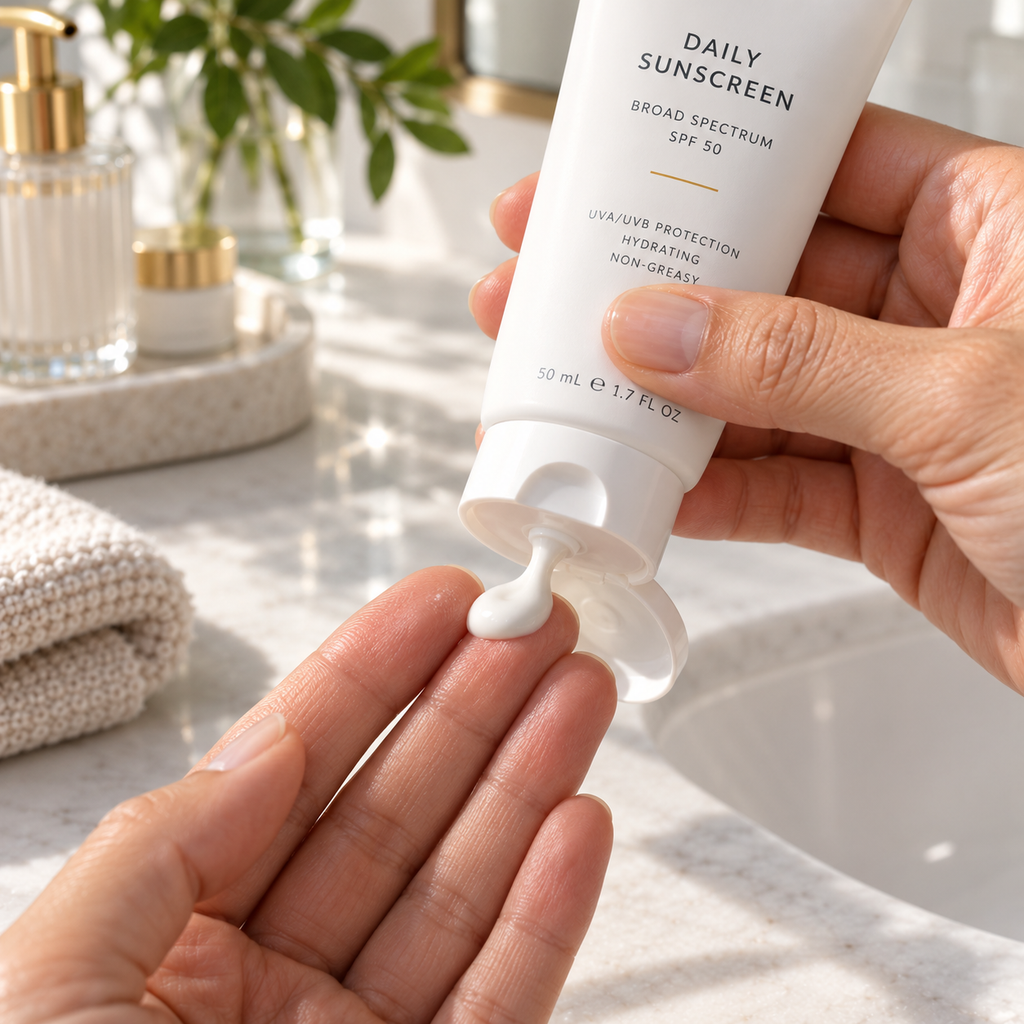
Most people use less than half the sunscreen they need. That’s the real reason SPF “doesn’t work” for some people.
Use about a quarter teaspoon for your face and neck alone. Apply it as the last step of your morning routine, after moisturizer, before makeup if you wear any. Don’t rub it in like lotion. Pat it on so it forms an even layer instead of getting absorbed too thin.
Reapplication Matters More Than the Number
SPF 50 sounds like a set-it-and-forget-it number. It isn’t.
Sunscreen breaks down with UV exposure, sweat, and touching your face. If you’re outside for more than two hours, reapply. Driving counts too. UVA rays pass through car windows and glass, so daily use matters even on days you’re mostly indoors.
A setting powder or spray SPF works well for reapplying over makeup without messing up your look.
Sunscreen Protects. It Doesn’t Undo.
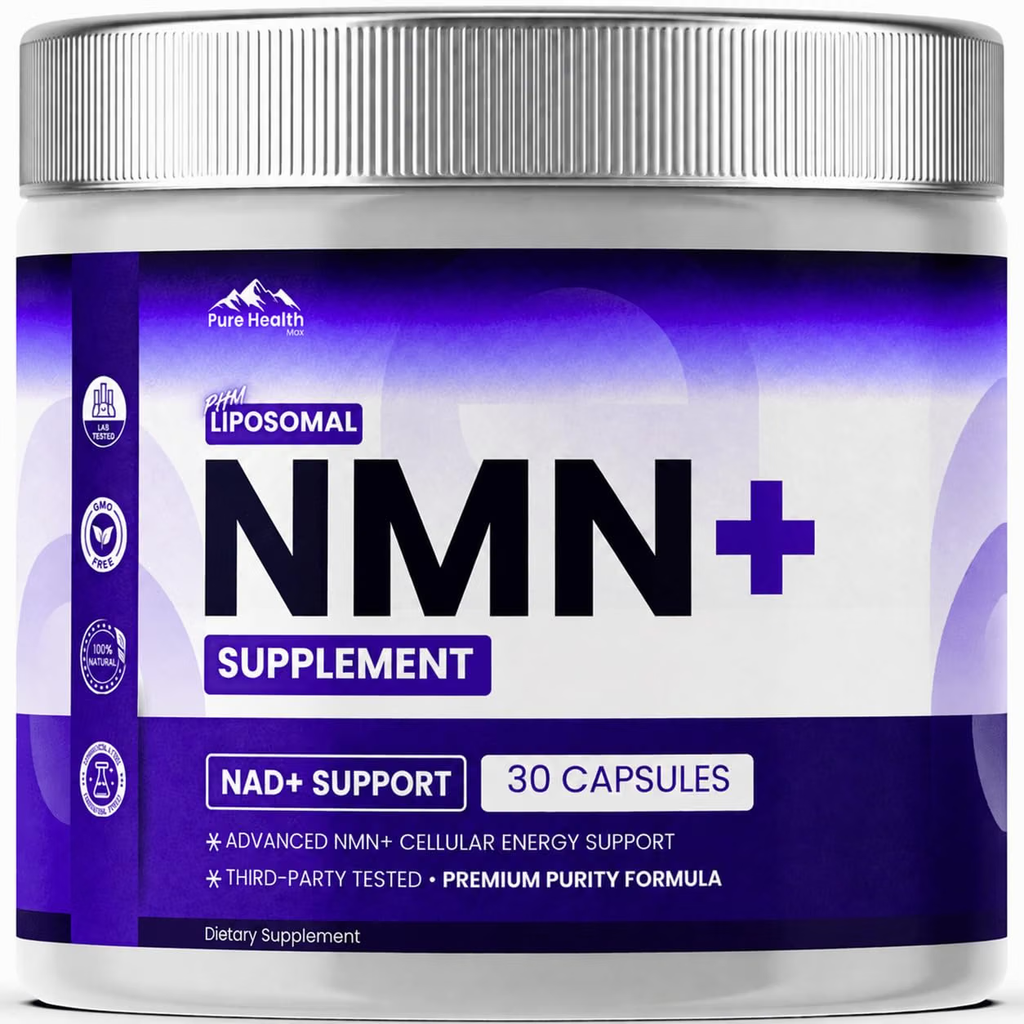
SPF stops new damage. It doesn’t reverse decades of sun exposure on its own. Your skin still needs support to repair what’s already there, and that repair work happens at the cellular level, powered by a molecule called NAD+ that naturally declines with age.
Some women pair daily SPF with things that support that cellular repair process from the inside, like an NMN supplement with resveratrol and antioxidants. Sunscreen keeps the damage from piling up. Supporting your cells is about helping them recover from the damage you already have.
Start with the sunscreen. It’s the cheapest, simplest thing you can do for your skin, and every day you wear it is a day working in your favor instead of against you.
[…] Your skin makes less of it with age, and the drop in estrogen around menopause speeds that up. Less hyaluronic acid means less water in the skin. That shows up as dullness, fine lines that look deeper and a tight, dry feeling. I wrote more about this in my SPF and skin guide. […]